1 in 3
adults report health problems from fragranced products.
The rest of us just hate it. You don’t have to wear it to look professional, and you’re not the only one holding your breath in the elevator.
Ingredients
Water, Alcohol Denat., FRAGRANCE*, Glycerin
*In lab tests of 42 fragranced baby products sold in Australia, 95% of the chemicals they released into the air weren’t listed on the label, safety sheet, or company website. Moderate evidence. [Nematollahi 2018]
You’re not alone
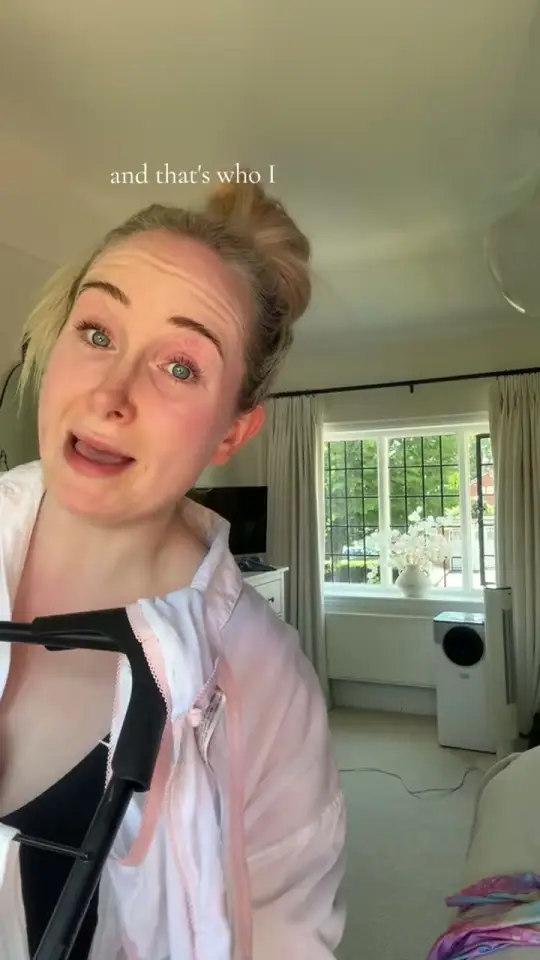
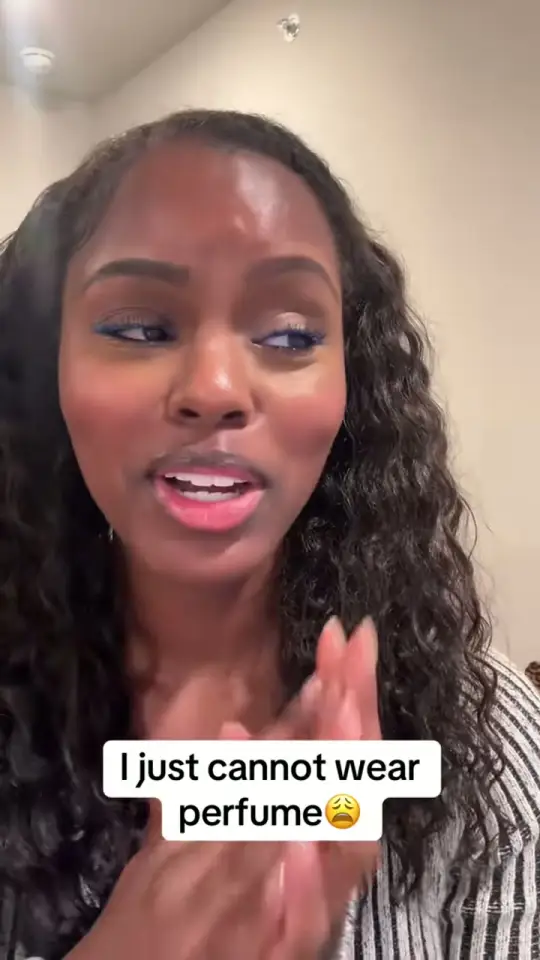
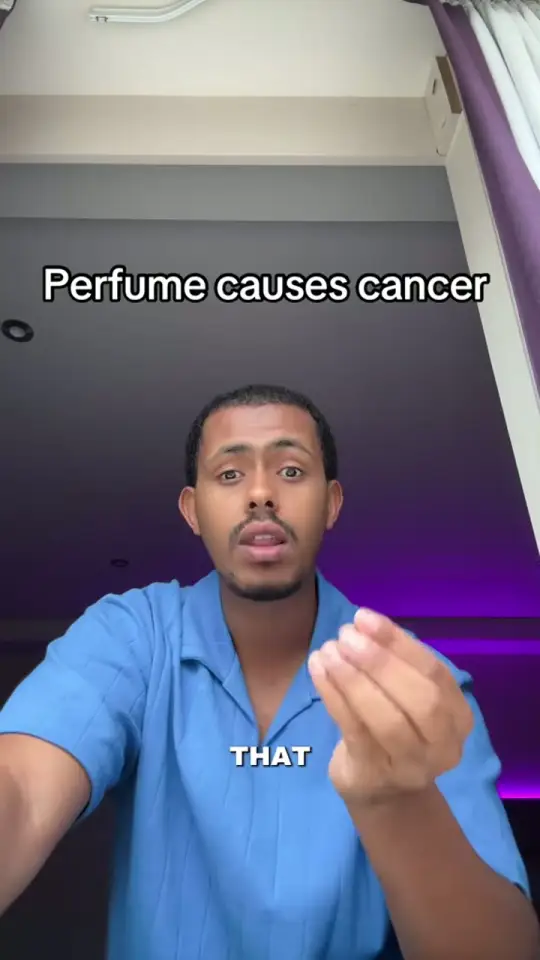
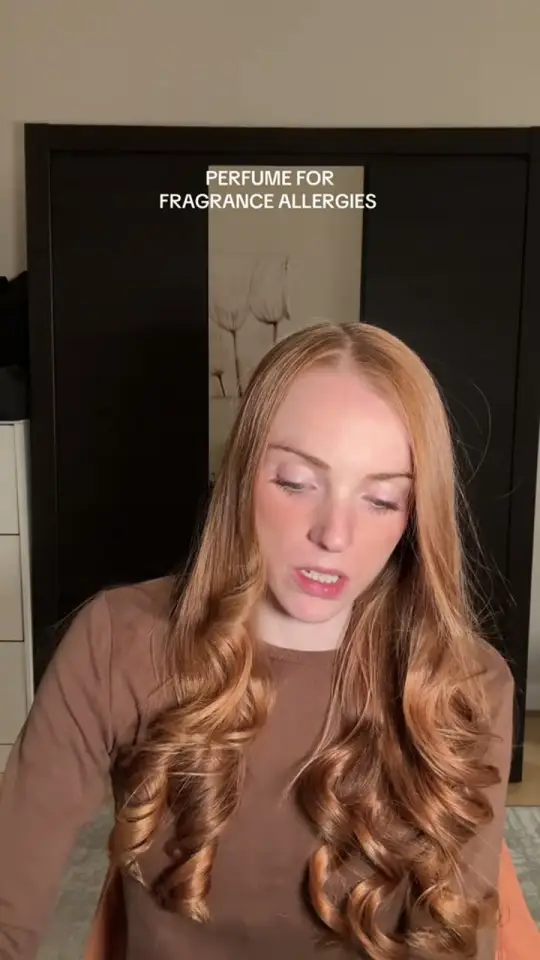
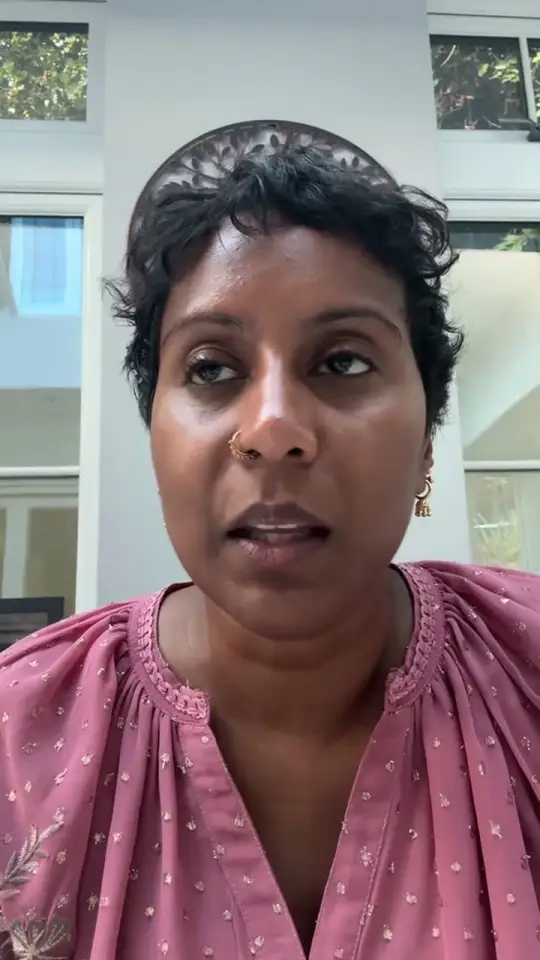
818 people on TikTok say fragrance makes them sick, or that they’re done with it. Hear it from them.

Free tools
Don’t just hold your breath. Do something.
Tool 01
Label decoder
Paste, scan, or look up a barcode. See the fragrance, allergens, and banned or hormone-disrupting chemicals the front of the bottle doesn’t mention.
Tool 02
Letter builder
A polite, specific letter to your boss, your kid’s school, a clinic, your landlord, or a neighbor, in about two minutes.
Tool 03
Shopping guide
How to spot real fragrance-free products, and the label words that don’t mean what you’d think.
Tool 04
The pledge
Promise to ask for fragrance-free air once this year: at work, at school, at the doctor’s, or where you live.
32%
of adults in national surveys in the US, Australia, the UK, and Sweden said fragranced products cause them health problems.
Moderate evidence: self-reported, any symptom from any product. [Steinemann 2019]
42%
of Danish adults in a population study said fragrance products gave them eye, nose, or breathing symptoms in the past year.
Moderate evidence: self-reported symptoms, not allergy. [Elberling 2005]
53%
of US adults would prefer a fragrance-free workplace. Only 20% would not.
Moderate evidence: opinion survey. [Steinemann 2016]
Read the label they don’t print
-
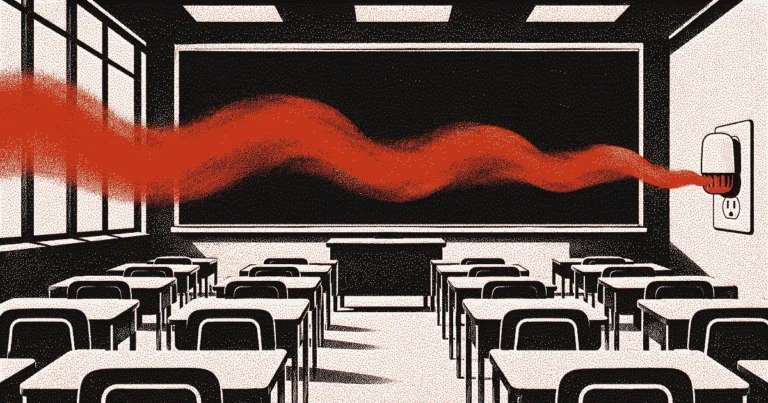
Fragrance in schools: what’s in classroom air, and what you can ask for
Researchers have measured what’s in classroom and childcare air, who breathes it, and what parents, students, and teachers can ask for.
-
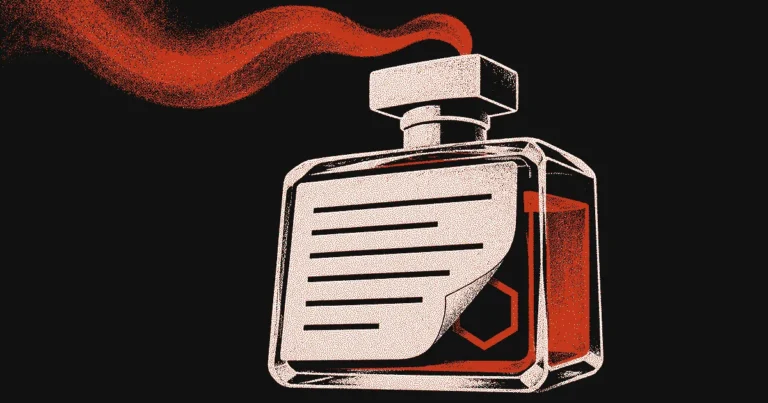
Phthalates in fragrance: where diethyl phthalate hides, and what the evidence shows
Diethyl phthalate (DEP) is a common fragrance solvent that no label has to name, so here’s where testers keep finding it, what…
-
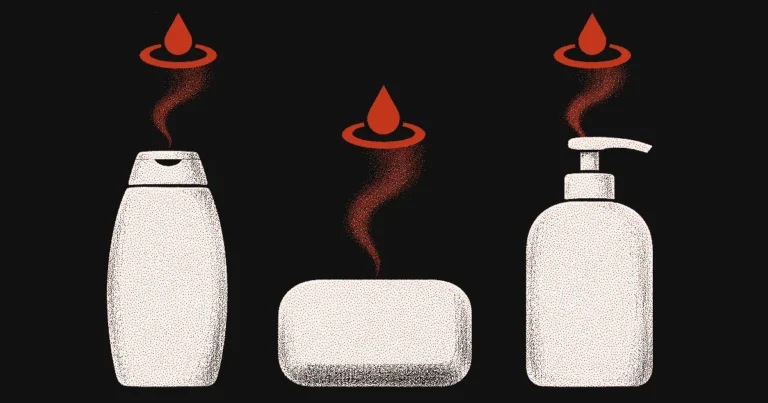
Formaldehyde releasers in shampoo, soap, and lotion: the names to look for
Formaldehyde-releasing preservatives are listed under names that never say formaldehyde, and the allergy evidence on them goes back decades. Here’s what the…
-
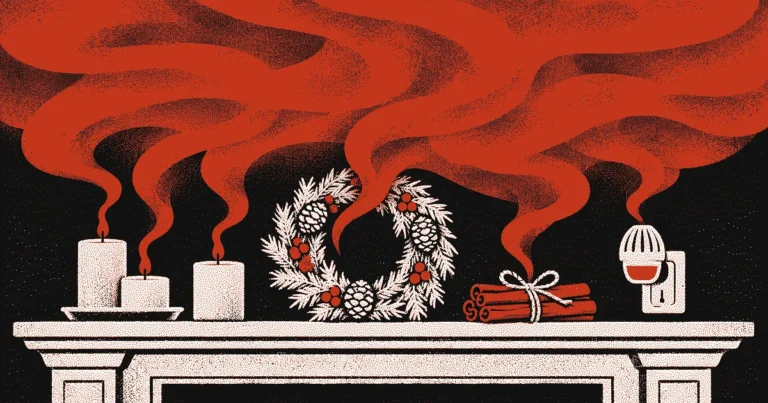
Holiday scent season: candles, cinnamon, and a house full of guests
Cinnamon candles, pine cleaners, and plug-ins can fill a closed-up house fast. What researchers have found about those scents, and how to…
-
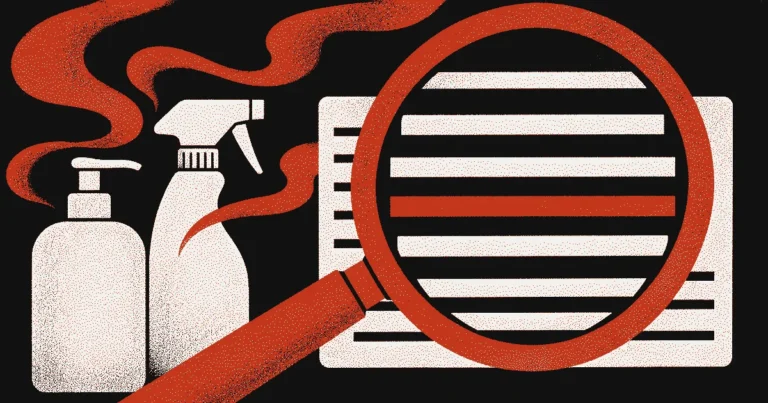
How to use EWG’s Skin Deep and cleaning guide when you’re avoiding fragrance
EWG’s free databases are great for finding fragrance-free products, but a green score can hide a perfume. Here’s how to read them.
-
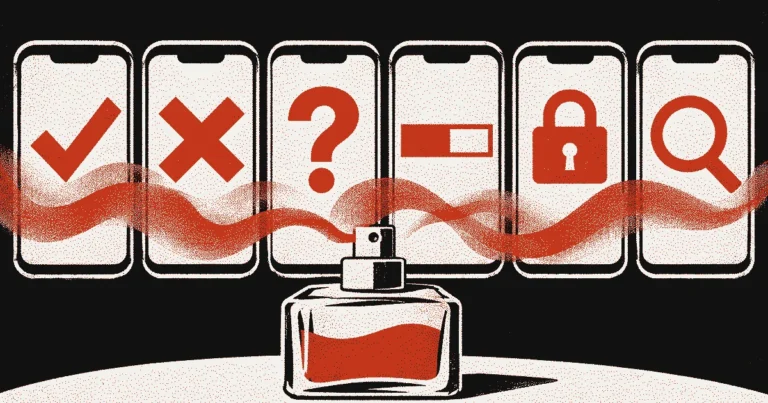
We tested 6 ingredient-scanner apps for fragrance
We scanned the same “Fragrance Free” body wash in six scanner apps. It lists heliotropine, which the EU’s ingredient database lists with…
Latest videosWatch doctors and researchers, fact-checked
 Employee Wearing Too Much Perfume at Work #HRNina14 fact-check notes
 What to Know About Fragrance-free Products: Dr. David CohenDavid E. Cohen, MD6 fact-check notes
 How to Make Your Home Smell Good Without Toxic ChemicalsYvonne Burkart, PhD9 fact-check notes
 Endocrine Disruptors and Kids: Risks, Everyday Sources, and How to Reduce ThemDr. Mona Amin9 fact-check notes
Free tools
Check a product before you buy
The Environmental Working Group (EWG), a nonprofit, rates products on the hazards of their ingredients and on how openly companies list them. Both databases are free to search.
Personal care
EWG Skin Deep
Shampoo, lotion, deodorant, makeup, sunscreen, and baby products: over 150,000 of them. Each gets a hazard score from 1 (lowest concern) to 10 (highest), plus a rating of how much safety data exists, so a good score backed by little research is easy to spot.
Household
EWG Guide to Healthy Cleaning
Laundry detergent, dish soap, all-purpose cleaners, and air fresheners. Products are graded A (lowest concern) to F, and the grade also reflects how fully the company discloses its ingredients.
Tip: read the ingredient list, whatever the front says. Look for FRAGRANCE, PARFUM or AROMA. In the US, “unscented” and “fragrance-free” have no legal definition, and some unscented products contain a masking fragrance. [Rodriguez 2024]
Or paste an ingredient list into our label decoder →
EWG rates products from their listed ingredients, so it can’t see chemicals hidden under the word “fragrance,” and in 2022 about a third of the products people actually used weren’t in Skin Deep at all. [Barrett 2025] Treat the ratings as a starting point, and read what the scores leave out, and who pays EWG. We’re not affiliated with EWG.
Start here
Guides and tools
01 / At work
Ask for a fragrance-free workplace
Your rights, a letter builder, a doctor’s note checklist and the pledge. Plus a guide for employers.
02 / Everyday air
What’s in your air, room by room
Home, laundry, childcare, classrooms, offices, cars, and restrooms.
03 / Parents
Fragrance, pregnancy, and kids
What’s in kids’ products and childcare air, and the lavender question.
04 / Tools
Label decoder
Paste or scan an ingredient list and see the fragrance, allergens, and banned or hormone-disrupting chemicals it hides. Then look the product up in EWG Skin Deep or EWG’s Guide to Healthy Cleaning, or read our shopping guide.
05 / Print
Fragrance-free signs
Free PDFs for your desk, meeting rooms, and classrooms, plus the 1 in 3 symbol to wear or share.
08 / The gaps
What the science doesn’t know yet
What’s never been tested, and why that’s no comfort.
Community
Find the other 1 in 3.
The ihateperfume.com Discord is open. Swap fragrance-free products that actually work, get help making the case at work, vent, and share your wins.
0 people have pledged to ask for fragrance-free air this year, at work, at school, at the doctor’s, or where they live. Add your name →